
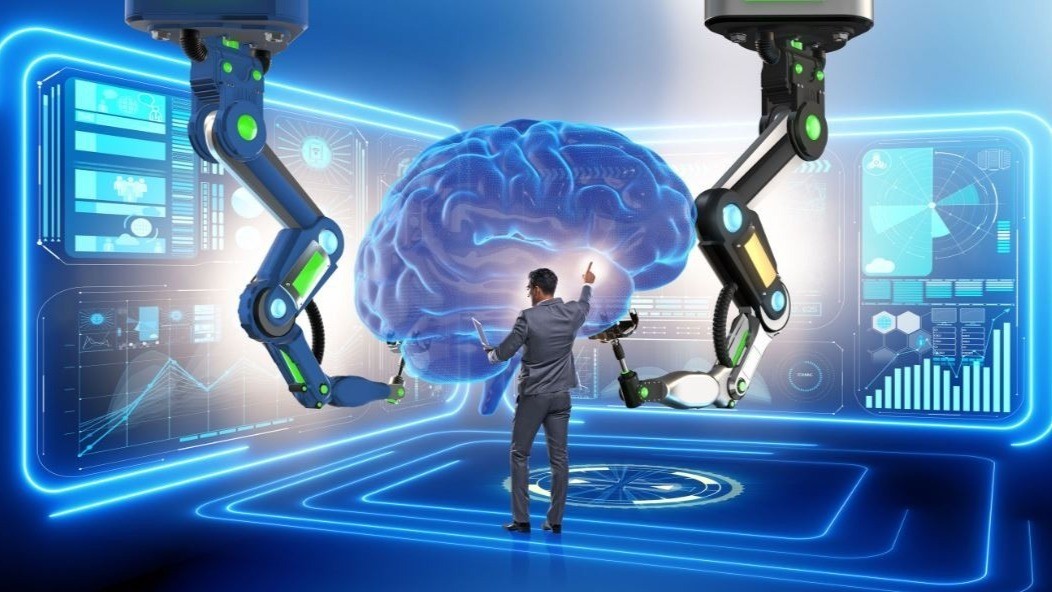
Artificial Intelligence (AI) is no longer a futuristic concept confined to science fiction. It has become a powerful and practical technology that is transforming how we live, work, and interact with the world. From personalized recommendations on streaming platforms to advanced automation in industries, AI is deeply integrated into both everyday life and modern business operations. Its impact is growing rapidly, reshaping economies and redefining what is possible.
AI in Everyday Life
One of the most noticeable ways AI influences our daily lives is through personalization. When you open your favorite apps—whether for shopping, music, or social media—you are often interacting with AI systems. These systems analyze your behavior, preferences, and past interactions to suggest products, playlists, or content tailored specifically to you. This makes digital experiences more efficient and enjoyable.
Voice assistants are another clear example of AI in action. Tools like Siri, Google Assistant, and Alexa allow users to perform tasks using natural language. You can set reminders, control smart home devices, check the weather, or even ask complex questions—all through simple voice commands. This convenience is especially helpful for multitasking and accessibility.
AI is also improving healthcare in everyday contexts. Wearable devices such as smartwatches use AI algorithms to monitor heart rate, sleep patterns, and physical activity. Some can even detect irregularities and alert users to potential health issues early. This shift toward preventive care empowers individuals to take control of their health.
In transportation, AI is making travel safer and more efficient. Navigation apps use real-time data to suggest the fastest routes, avoid traffic, and estimate arrival times. Meanwhile, advancements in autonomous driving are pushing the boundaries of what vehicles can do, reducing human error and increasing safety.
AI in Business Operations
In the business world, AI is revolutionizing operations across industries. One of the most significant impacts is automation. Routine and repetitive tasks—such as data entry, customer support, and inventory management—can now be handled by AI systems. This not only saves time but also reduces human error and allows employees to focus on more strategic and creative work.
Customer service has been transformed by AI-powered chatbots. These bots can handle inquiries 24/7, provide instant responses, and even resolve complex issues using machine learning. As a result, businesses can improve customer satisfaction while reducing operational costs.
AI is also enhancing decision-making. By analyzing large amounts of data quickly and accurately, AI systems can identify patterns, trends, and insights that humans might miss. This is particularly valuable in fields like finance, marketing, and supply chain management. For example, businesses can predict customer demand, optimize pricing strategies, and manage risks more effectively.
Marketing has become more targeted and efficient thanks to AI. Instead of broad advertising campaigns, companies can now create personalized marketing strategies based on customer data. AI tools can segment audiences, predict buying behavior, and recommend the best channels for engagement. This leads to higher conversion rates and better return on investment.
AI and Innovation
AI is not just improving existing processes—it is also driving innovation. In research and development, AI accelerates the discovery of new products and solutions. For example, in pharmaceuticals, AI can analyze biological data to identify potential drug candidates faster than traditional methods.
In creative industries, AI is being used to generate art, music, and even written content. While this raises questions about creativity and originality, it also opens new opportunities for collaboration between humans and machines. Designers, writers, and artists can use AI as a tool to enhance their work rather than replace it.
Startups and entrepreneurs are also benefiting from AI. With access to powerful tools and platforms, small businesses can compete with larger companies by leveraging AI for analytics, customer engagement, and automation. This democratization of technology is creating a more dynamic and competitive market.
Challenges and Ethical Considerations
Despite its many advantages, AI also presents challenges. One of the main concerns is job displacement. As automation increases, certain roles may become obsolete, particularly those involving repetitive tasks. However, AI is also creating new jobs that require different skills, such as data analysis, machine learning, and AI system management.
Privacy is another critical issue. AI systems rely on large amounts of data, often including personal information. Ensuring that this data is collected, stored, and used responsibly is essential. Governments and organizations must establish clear regulations to protect users while still enabling innovation.
Bias in AI is also a concern. If AI systems are trained on biased data, they can produce unfair or discriminatory outcomes. This highlights the importance of transparency, accountability, and diversity in AI development.
The Future of AI
Looking ahead, the role of AI will continue to expand. As technology advances, AI systems will become more sophisticated, capable of understanding context, emotions, and complex human interactions. This could lead to more natural and intuitive interfaces, making technology even more accessible.
In business, AI will play a key role in digital transformation. Companies that adopt AI effectively will gain a competitive advantage, while those that do not may struggle to keep up. Industries such as healthcare, finance, education, and manufacturing are expected to see significant changes driven by AI.
For individuals, adapting to an AI-driven world means developing new skills and staying informed about technological trends. Lifelong learning will become increasingly important as the nature of work evolves.
Conclusion
Artificial Intelligence is transforming both everyday life and business in profound ways. It enhances convenience, improves efficiency, and drives innovation across multiple sectors. While challenges exist, the potential benefits of AI are immense. By using AI responsibly and ethically, society can harness its power to create a smarter, more connected, and more efficient world.
Leave a Reply