
Introduction
If you hear the term digital marketing and feel it sounds complicated, you’re not alone. Many beginners think it is something highly technical or only for big companies. But in reality, digital marketing is simply how businesses use the internet to reach people, promote products, and build trust.
You interact with digital marketing every single day without even noticing it—when you watch a YouTube ad, scroll Instagram and see a sponsored post, or search something on Google and click a website. It’s already part of your daily life.
In this guide, you’ll learn digital marketing in the simplest way possible, with real-life examples that make everything clear. No confusing jargon—just practical understanding you can actually use.
What Is Digital Marketing (Simple Definition)
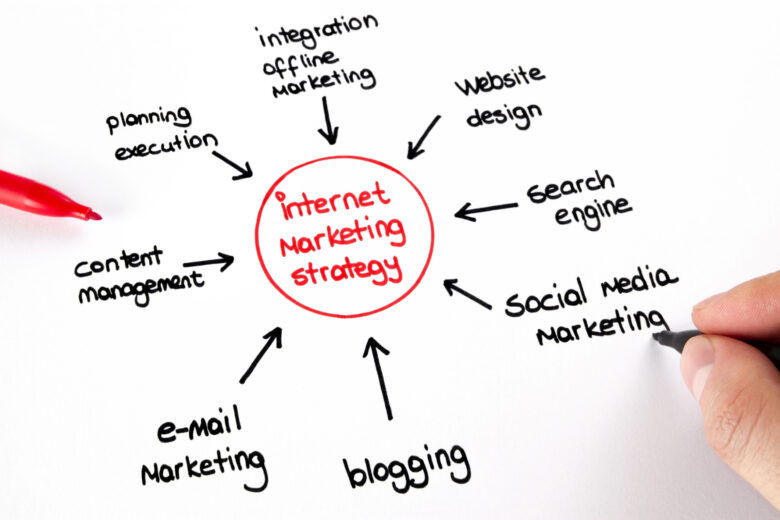
Digital marketing is the process of promoting products or services using the internet and digital platforms.
These platforms include:
- Google (search engine marketing & SEO)
- Social media (Facebook, Instagram, TikTok, etc.)
- YouTube (video marketing)
- Websites and blogs
- Email marketing
Instead of putting ads on TV or newspapers, businesses now go where people spend most of their time: online.
So, in simple words:
👉 Digital marketing = Online promotion to reach customers and grow business
Why Digital Marketing Matters Today
The world has changed. People no longer rely only on physical stores or traditional ads. Before buying anything, most people search online first.
For example:
- Want to buy a phone? You check YouTube reviews.
- Want to eat at a restaurant? You check Google Maps.
- Want to learn something? You search Google or TikTok.
This shift has made digital marketing essential for every business.
Here’s why it matters:
1. Everyone is online
Billions of people use the internet daily, which gives businesses a huge audience.
2. Cheaper than traditional marketing
Running ads on TV or billboards is expensive. Online marketing can start with a small budget.
3. Targeted audience
You can show ads only to people who are interested in your product.
4. Measurable results
You can track clicks, views, sales, and performance easily.
Real-Life Examples of Digital Marketing
Let’s understand digital marketing with simple real-world examples.
Example 1: YouTube Ads
You’re watching a video on YouTube, and suddenly an ad appears for a mobile game or an online course.
👉 That’s digital marketing.
The company is paying YouTube to show ads to people like you.
Example 2: Google Search Results
You search:
“best shoes for running”
At the top, you see websites labeled as “Sponsored” or SEO-optimized blogs.
👉 That is digital marketing using Google Ads or SEO.
Businesses are trying to appear when you search for something.
Example 3: Instagram Influencers
You see a fitness influencer promoting protein powder or gym equipment.
👉 That is influencer marketing (a part of digital marketing).
Companies pay influencers to promote their products to followers.
Example 4: Email Promotions
You sign up on a website and later receive emails like:
- Discounts
- Offers
- New product launches
👉 That is email marketing.
Businesses use emails to stay connected with customers.
Example 5: Facebook Ads
You scroll Facebook and see ads for online courses or clothing brands.
👉 That is paid social media advertising.
Businesses target users based on age, interests, and behavior.
Main Types of Digital Marketing
To understand digital marketing better, let’s break it into simple parts.
1. Search Engine Optimization (SEO)
SEO is the process of improving a website so it appears on Google search results.
Example:
If someone searches “how to lose weight,” SEO helps a blog appear on top.
👉 Goal: Get free traffic from Google
2. Social Media Marketing
This involves using platforms like:
- TikTok
Businesses post content, run ads, and interact with users.
👉 Goal: Build audience and brand awareness
3. Content Marketing
Content marketing means creating useful content like:
- Blogs
- Videos
- Guides
- Infographics
Instead of directly selling, you provide value first.
👉 Goal: Build trust and attract customers
4. Pay-Per-Click Advertising (PPC)
This is paid advertising where businesses pay only when someone clicks their ad.
Example:
Google Ads or Facebook Ads
👉 Goal: Get instant traffic and sales
5. Email Marketing
Businesses send emails to:
- Promote offers
- Share updates
- Build relationships
👉 Goal: Keep customers engaged
6. Affiliate Marketing
You promote someone else’s product and earn a commission for each sale.
Example:
You recommend a product on your blog and earn money when someone buys it.
👉 Goal: Earn passive income online
How Digital Marketing Actually Works (Step-by-Step)
Let’s break it down simply.
Step 1: Attract People
Businesses bring people using SEO, ads, or social media.
Step 2: Engage Them
They provide useful content, videos, or posts.
Step 3: Convert Them
People buy products, sign up, or take action.
Step 4: Retain Them
Businesses keep customers through emails and offers.
👉 This cycle repeats and grows over time.
Who Uses Digital Marketing?
Almost every industry uses it:
- Online stores (Amazon-style businesses)
- Restaurants and cafes
- Schools and coaching centers
- Freelancers and creators
- Tech companies
- Small local shops
Even a small shop owner now uses WhatsApp or Facebook ads to get customers.
Benefits of Digital Marketing
Here are the main advantages:
1. Global reach
You can reach people anywhere in the world.
2. Low cost
You can start with zero or low budget.
3. Fast results
Ads and social media can bring quick traffic.
4. Career opportunities
You can work as:
- SEO expert
- Social media manager
- Content writer
- Freelancer
5. Passive income options
Blogging and affiliate marketing can generate long-term income.
Common Mistakes Beginners Make
Many beginners struggle because of these mistakes:
1. Trying everything at once
Focus on one skill first.
2. Expecting quick success
Digital marketing takes time.
3. Ignoring content quality
Bad content never performs well.
4. Not learning basics
Skipping SEO or strategy leads to confusion.
Simple Beginner Roadmap
If you are starting fresh, follow this:
- Learn basic digital marketing concepts
- Choose one area (SEO, social media, or content writing)
- Practice daily
- Create small projects or pages
- Start freelancing or blogging
Consistency matters more than speed.
Frequently Asked Questions (FAQ)
1. Is digital marketing hard for beginners?
No, it is simple if you learn step by step and practice regularly.
2. Can I start digital marketing with no experience?
Yes, many successful marketers started with zero knowledge.
3. How much money do I need to start?
You can start for free using social media and blogs.
4. Is digital marketing a good career in 2026?
Yes, it is one of the fastest-growing and high-demand skills.
5. How long does it take to learn?
Basic skills can be learned in 1–3 months with practice.
Conclusion
Digital marketing is simply the art of promoting products and services online using tools like Google, social media, websites, and ads. It is not as complex as it sounds—in fact, you already experience it every day.
From watching ads on YouTube to seeing posts on Instagram, digital marketing is everywhere. The best part is that anyone can learn it, even without technical skills or experience.
If you are a beginner, focus on understanding the basics first, then slowly build your skills in SEO, content creation, or social media. With consistency and practice, digital marketing can open doors to freelancing, jobs, and online income opportunities.
Start small, stay consistent, and keep learning—you don’t need to be perfect, just persistent.